
Self-sabotage: to behave, especially habitually or compulsively, in a way that interferes directly with one’s own goals, well-being, relationships, etc.
http://www.dictionary.com
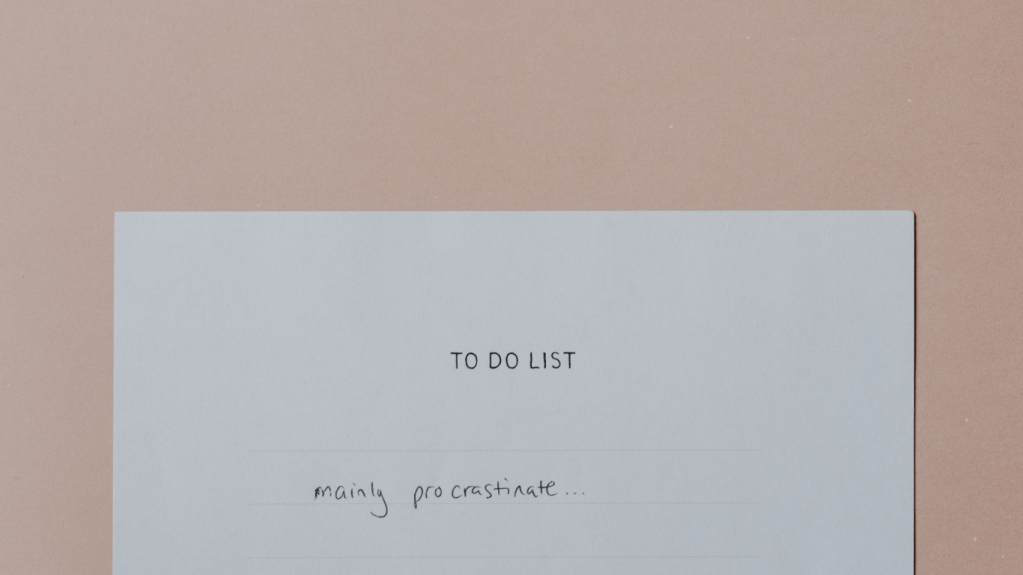
How Has It Manifested For Me?
- Procrastination: in my work by avoiding or pushing off important tasks and spending the time on areas I am more interested in. Or in my day to day or putting off deep-cleaning the house when I had allocated that time to it.
- Being too hard on myself: putting myself under too much pressure to figure out the solution to a work problem alone or that I should be the only one fixing an issue in the relationship (friends, family & partner).
- Comfort eating and over drinking: I fell into a pattern throughout the pandemic of moving less and consuming more. I used food and alcohol to comfort the anxiety and imposter syndrome that was consuming me.
- Prolonged demotivation towards exercise: telling myself excuses that I was too busy to exercise and then 1 day turned into the whole week. Please note that I am a full believer of listening to your body when you are unwell and a fitness watch or ring is great for backing this up with real data.
- Relationships: I spent the best part of my mid to late adolescence in a mentally abusive relationship with a narcissist. When I finally began a new relationship, just over 3 years ago now, I found myself bringing in self-sabotaging behaviours to protect myself from the hurt that I had experienced prior. Such as distancing myself from commitment and closing myself off during disagreements.
- Perfectionism: I have always been a type A needing to over achieve, likely from the early 90s teaching styles in early schooling. The 10/10 in spellings and maths tests were my key drivers. This carried on into university where straight As were the minimum that I expected from myself (notice me putting too much pressure on myself here). Obviously this has translated into my professional career like spending too much time on writing an email or changing a slide 100 times. It also manifested in me caring too much about what other people thought of me and my work.
I’ll caveat that this is not an exhaustive list of self-sabotaging behaviours and just some of the experiences that I have personally dealt with regarding my own self-sabotage. This behaviour is highly personal to everyone.
People often say that motivation doesn’t last, well neither does bathing so that is why we recommend it daily!
Zig Ziglar
6 Steps To Stop Self-Sabotaging Yourself
- Identify or notice your pattern or behaviour: be really honest with yourself but don’t confuse this with negative self-talk as there is a difference. Imagine you are speaking to your friend, for example; I notice that on nights out you have been having a lot more wine than usual, that extra glass you didn’t need which messed with your sleep and caused you to forget your phone in the taxi.
- Follow-up: Is everything ok? What do you think is driving you to do this?
- Versus the very unhelpful; you drank too much last night and you embarrassed yourself in front of those strangers. This type of talk is NEVER helpful so stop yourself right in this track. I promise you won’t be able to help yourself if you take this sort of stance
- Ask yourself why: if you don’t know why, then go on a journey with yourself and pay more attention to what is happening when these self-sabotaging behaviours occur. Is it when you feel stressed at work or when you end up going to bed too late because you spent 45 minutes scrolling through your social media comparing yourself to strangers’ lives?
- Do not play the blame game: most importantly with yourself and with others. Be curiously conscious when these self-sabotaging behaviours pop-up and just accept them. Use them as your compass for self-reflection. At this point, you will have identified the behaviour, started to ask yourself why you are behaving like this and begun the real important step of accepting it all without the negativity of blame. This serves no real purpose other than the deflection of your responsibility to hold your own power in your life.
- Create your action plan: this is not as easy as “stop the self-sabotaging” behaviour because if it was so easy, you wouldn’t have done it more than once. This is why spending the time to discover your why whilst not attaching any blame is important so that you can get to the real root cause of this behaviour. Quite often, it can be helpful to substitute with another behaviour that counteracts your self-sabotaging
- For example, you notice that you are too tired to get up to exercise or get up too late to do your morning meditation. So you proceed to tell yourself you are too lazy and blame your co-worker for putting you in a bad mood over a heated debate the day before.
- So what is the action plan in this instance?
- The action plan here is not to “stop being lazy” or “don’t work with that co-worker again”, it is digging into what was driving your tiredness or waking-up late. It turns out you spend too much time in the evening watching TV or you go out for dinner 2-3 nights during the week with friends and get to bed an hour later than usual.
- I am not saying you can’t do those things but if you want to prioritise yourself and do your exercise you need to get to bed earlier so you can set your body and mind up for success. As I mentioned before, there is a fine line here of pushing your body when you shouldn’t e.g. sickness, certain times of the menstrual cycle so get realistic with the balance here.
- So for any action plan identify the desired behaviours that you want to display and experiment with what changes or habits that you need to introduce in order to get there. Manage your expectations, this is not an overnight fix, most new habits take at least 3 weeks of consistency to implement!
- Celebrate your progress: not matter how small it is, if you got up and did that yoga class, say “well done, that was a great class and I am grateful i got up for that”. This takes time and self-praise is not an easy action to do but you need this reinforcement and even better if you write it down as telling yourself in your head is not as powerful.
- Finally don’t be afraid to speak to a professional: You might find you can help yourself with certain self sabotaging behaviours and for others you just don’t know where to start.
- For that very reason I started my own psychotherapy journey recently because I found myself falling into some self-sabotaging behaviours related to the relationships within my life.
- As curious and self aware as I am, I think there is a great power and perspective in speaking to someone, it doesn’t have to be a therapist, it could be friends and family. Although I would caution that you find the right person who is non-judgemental and just allows you space to talk. Also finding the right therapist requires work like any relationship so don’t be afraid to speak to many.

Self-sabotaging: we have all experienced it and will feed into it through the ebbs and flows during our lives. Sometimes you can spend a huge chunk of your life not realising what it is. You have to do the work of self reflection and that is really a huge part of any personal development journey. Maybe not all of these steps will work for you but give them a go or find ones that do work for you. The ultimate objective is to help yourself pull back from the negative spiral of sabotaging yourself. Finding your balance of what is simply giving your body and mind a break versus continued sabotaging. Only you can determine that and if you can’t please find someone that can help you through this.
If any of this content inspired you or you have any feedback I would love to hear in the comments below.
Much love ♥
Disclaimer: I am not a licensed therapist, these opinions are my own views and thoughts. I strongly encourage you to work with your healthcare practitioner and/or therapist if any of these views have had a negative impact on you.
 Be Only You
Leave a comment